Guest post by Michael Jones
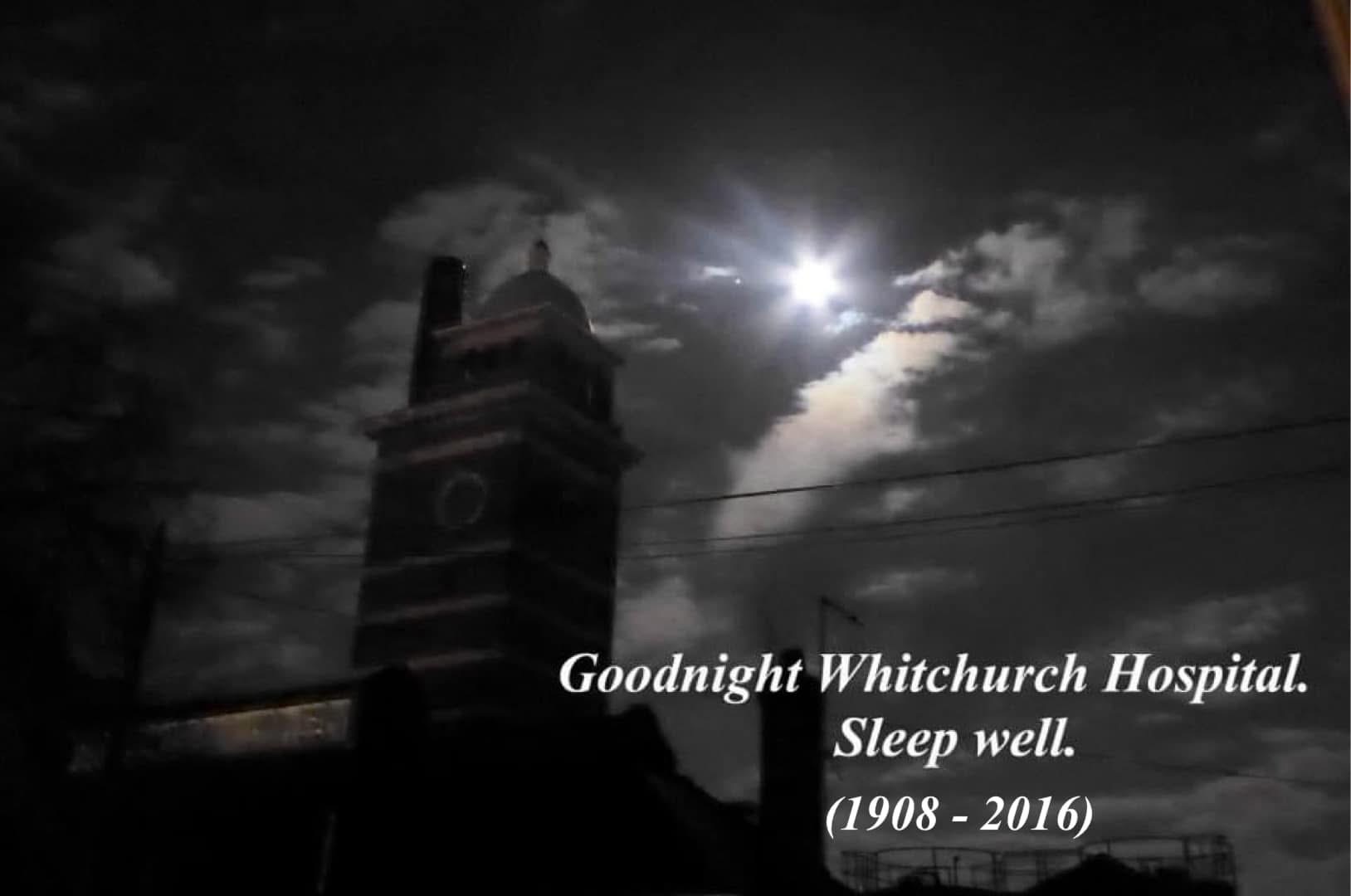
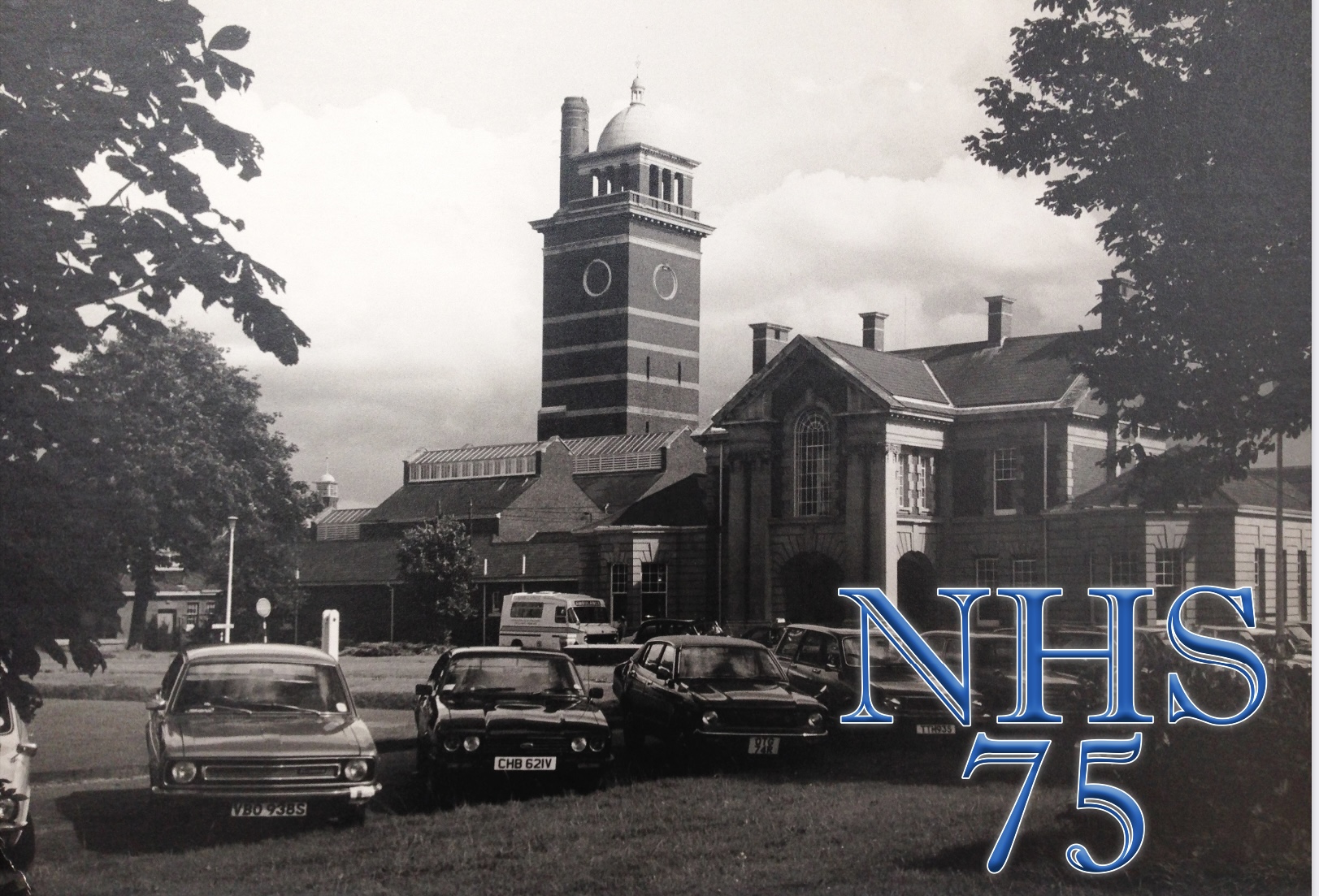
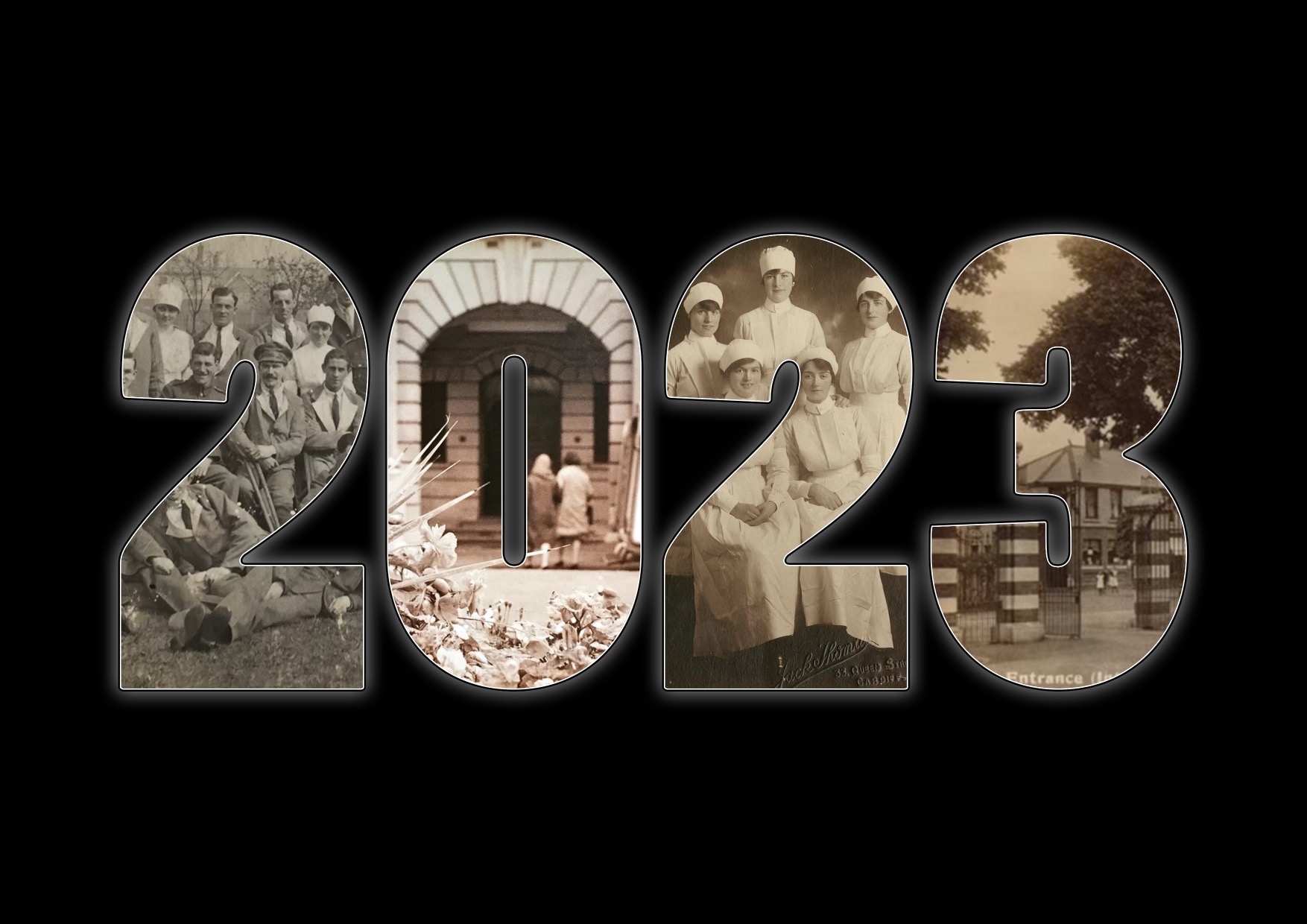
“Today, Wednesday the 15th. April 2026, is exactly 118 years since the opening of the hospital, and almost ten years since it closed in 2016. For 118 years, the buildings and vast grounds stood as places of refuge, surviving two world wars and offering care to people overwhelmed by life’s sudden or prolonged traumas. For some, it became a long?term home; for others, a brief but vital period of asylum that allowed them respite in order to regain strength before returning to their lives. Many, whether they worked here for a short placement or across entire careers—formed a link and camaraderie that endures to this day. Their nostalgia is powerful, threaded with memories that still linger a decade on. Yet alongside this affection, there are also those who feel differently: for some, the hospital symbolised a more custodial, institutional past, and its closure brought a sense of relief rather than loss.
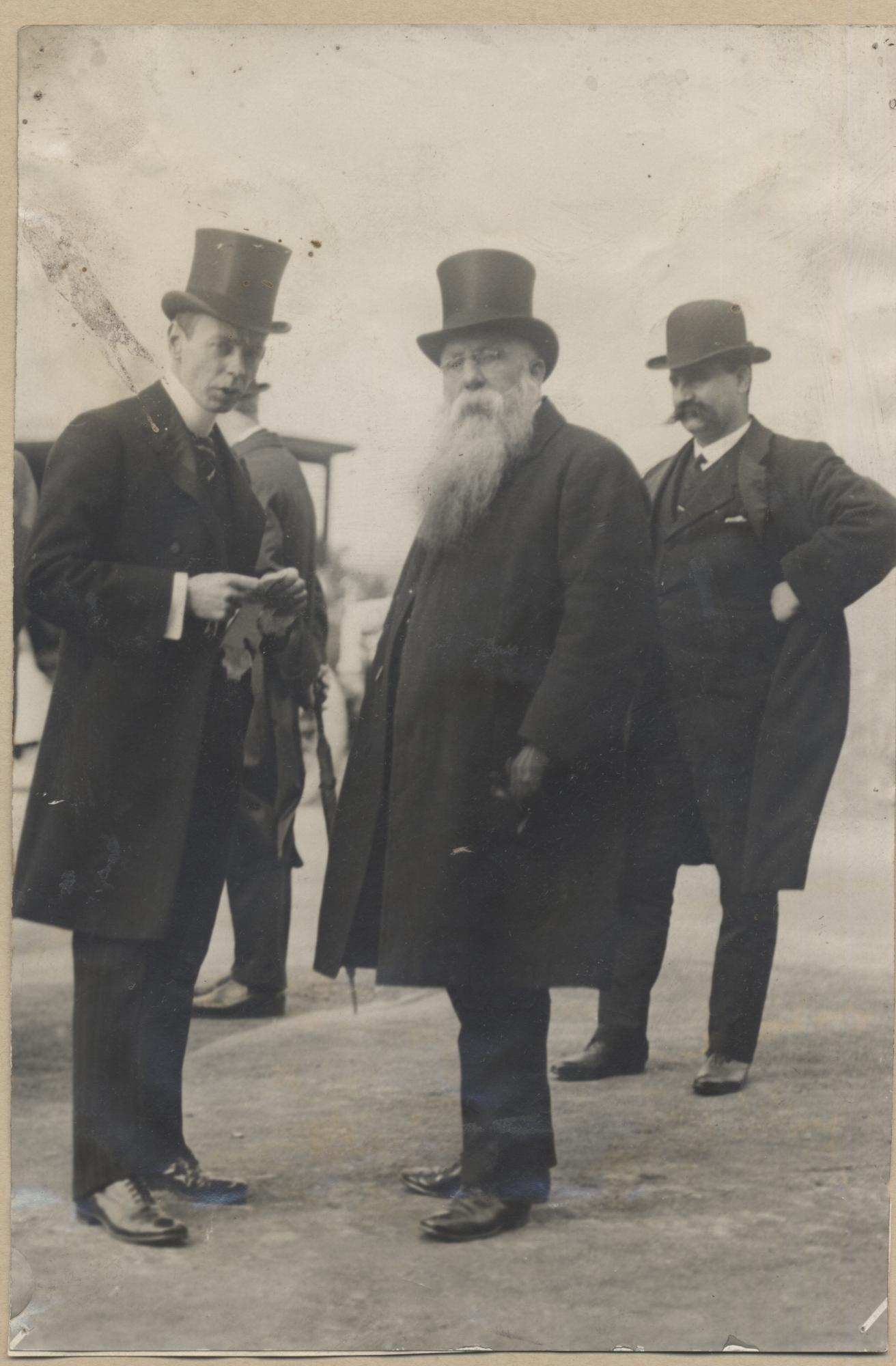
Dr Edwin Goodall, Alderman Jacobs and William Brace MP
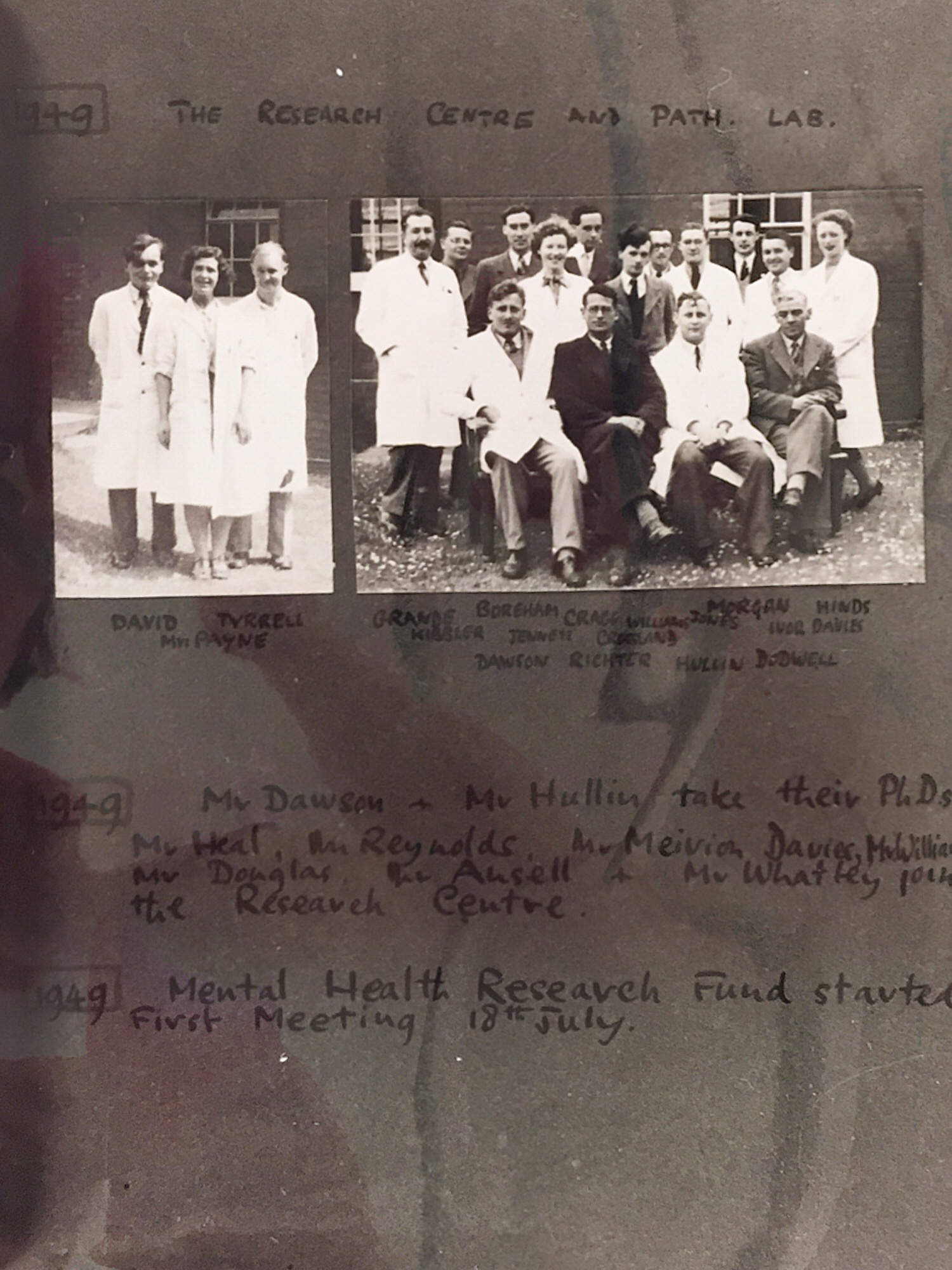
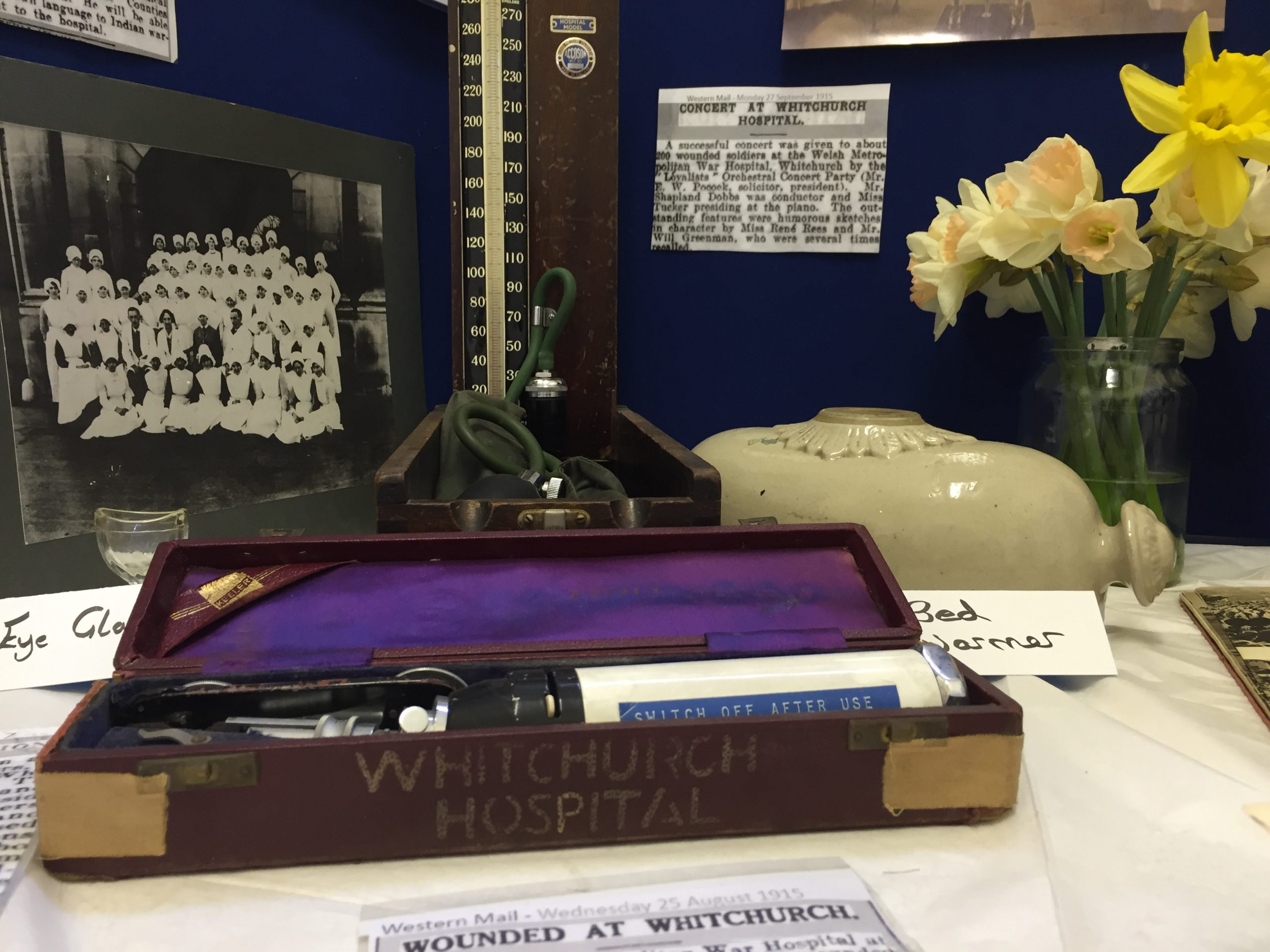
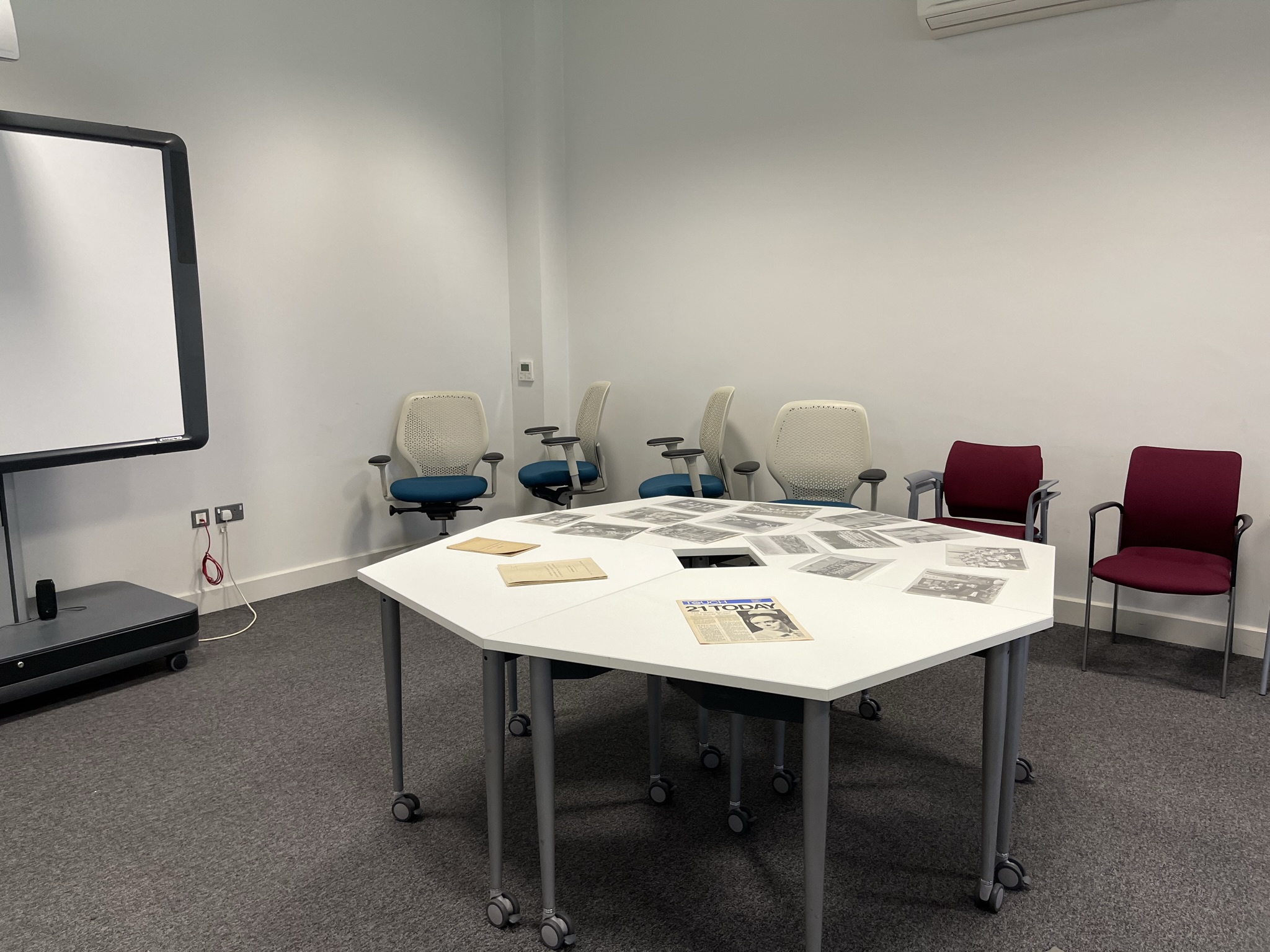
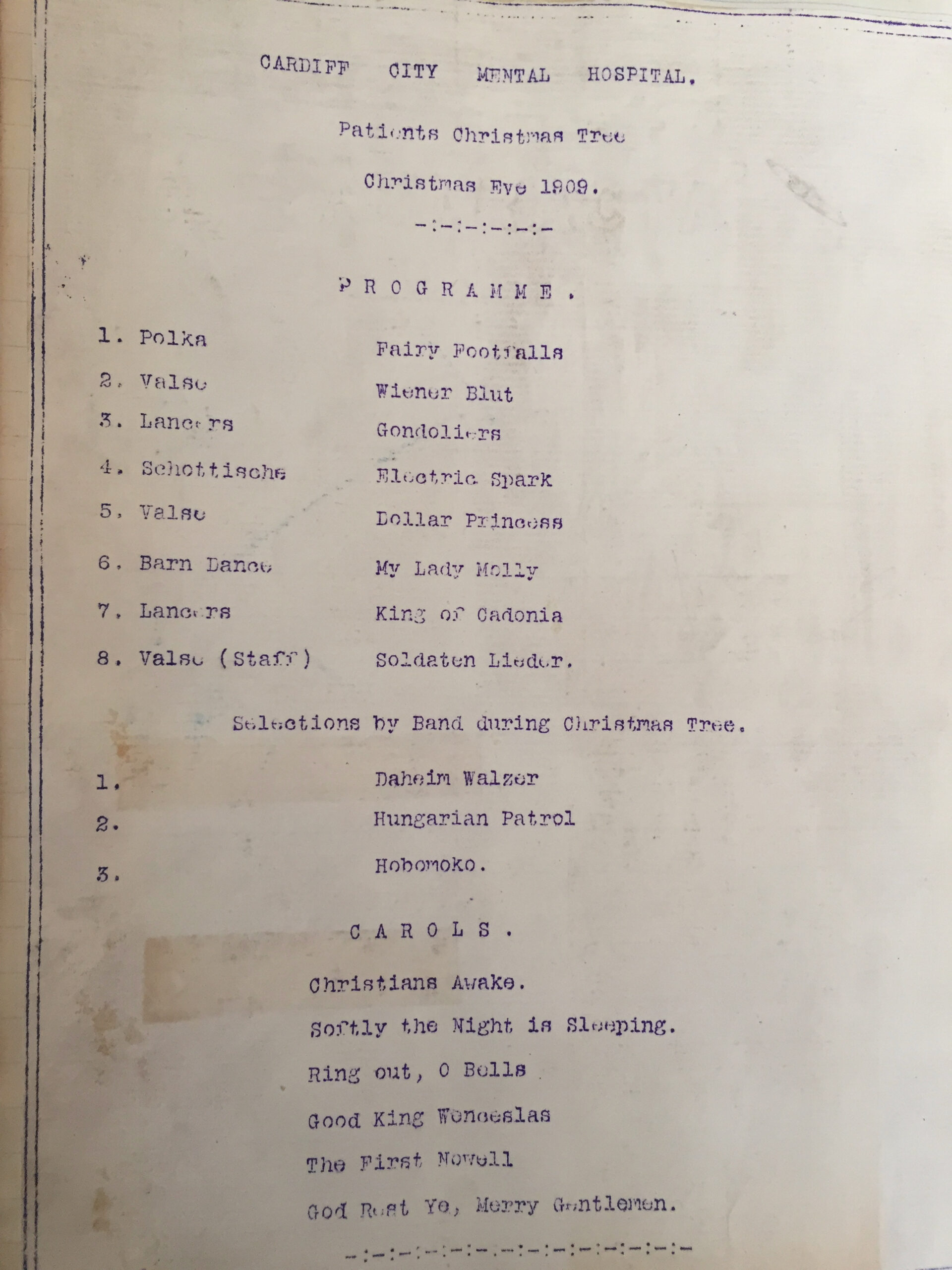
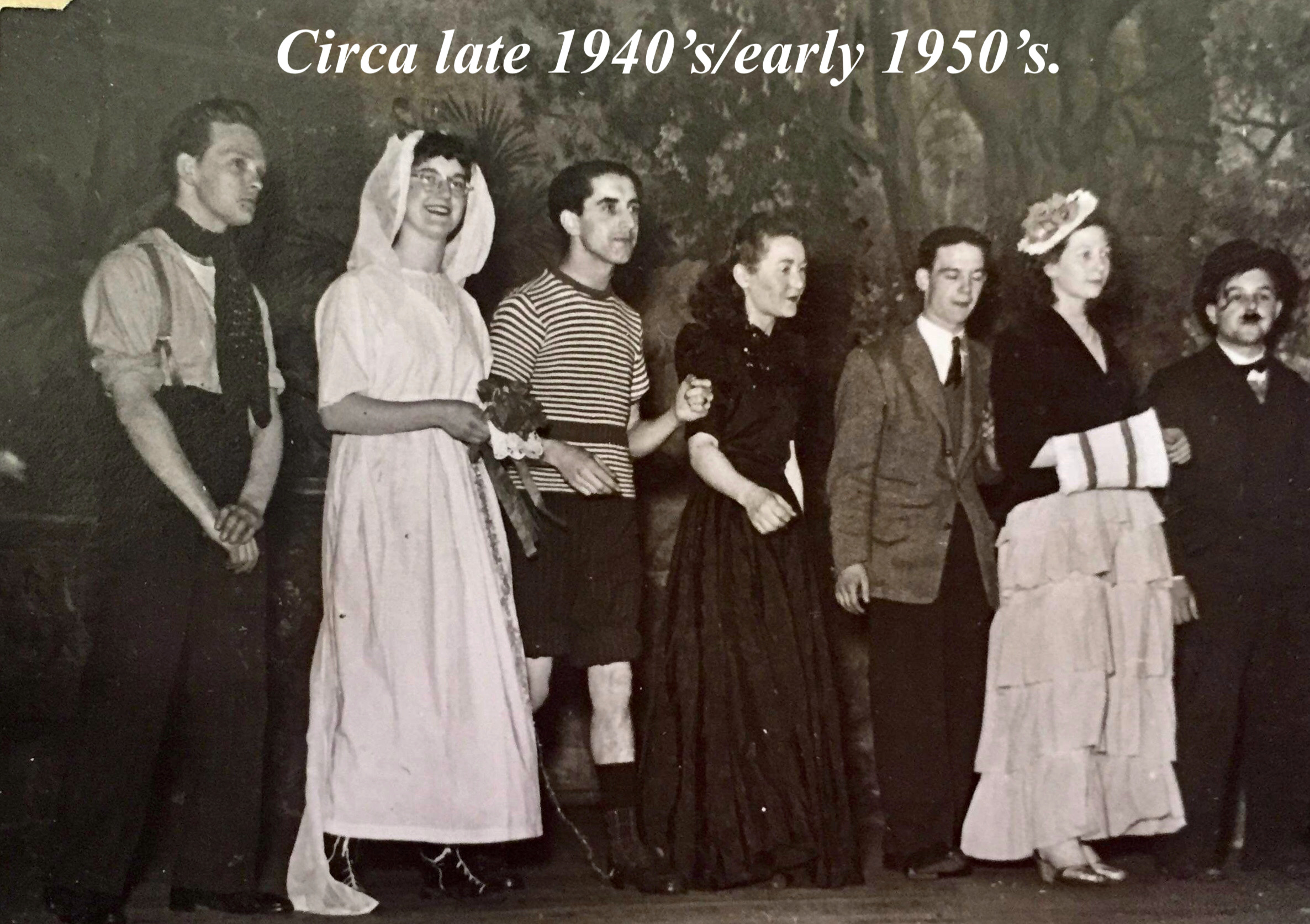
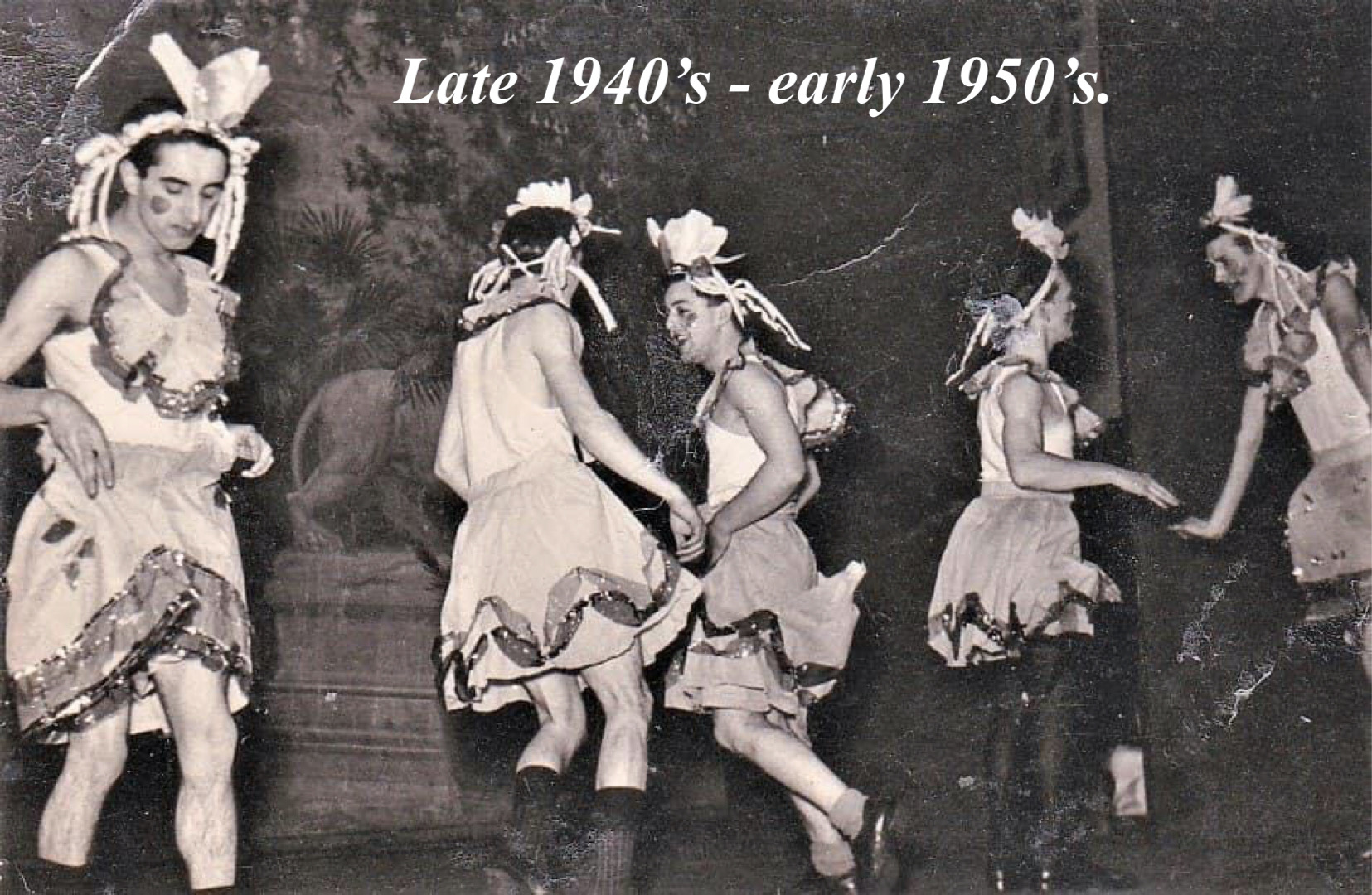
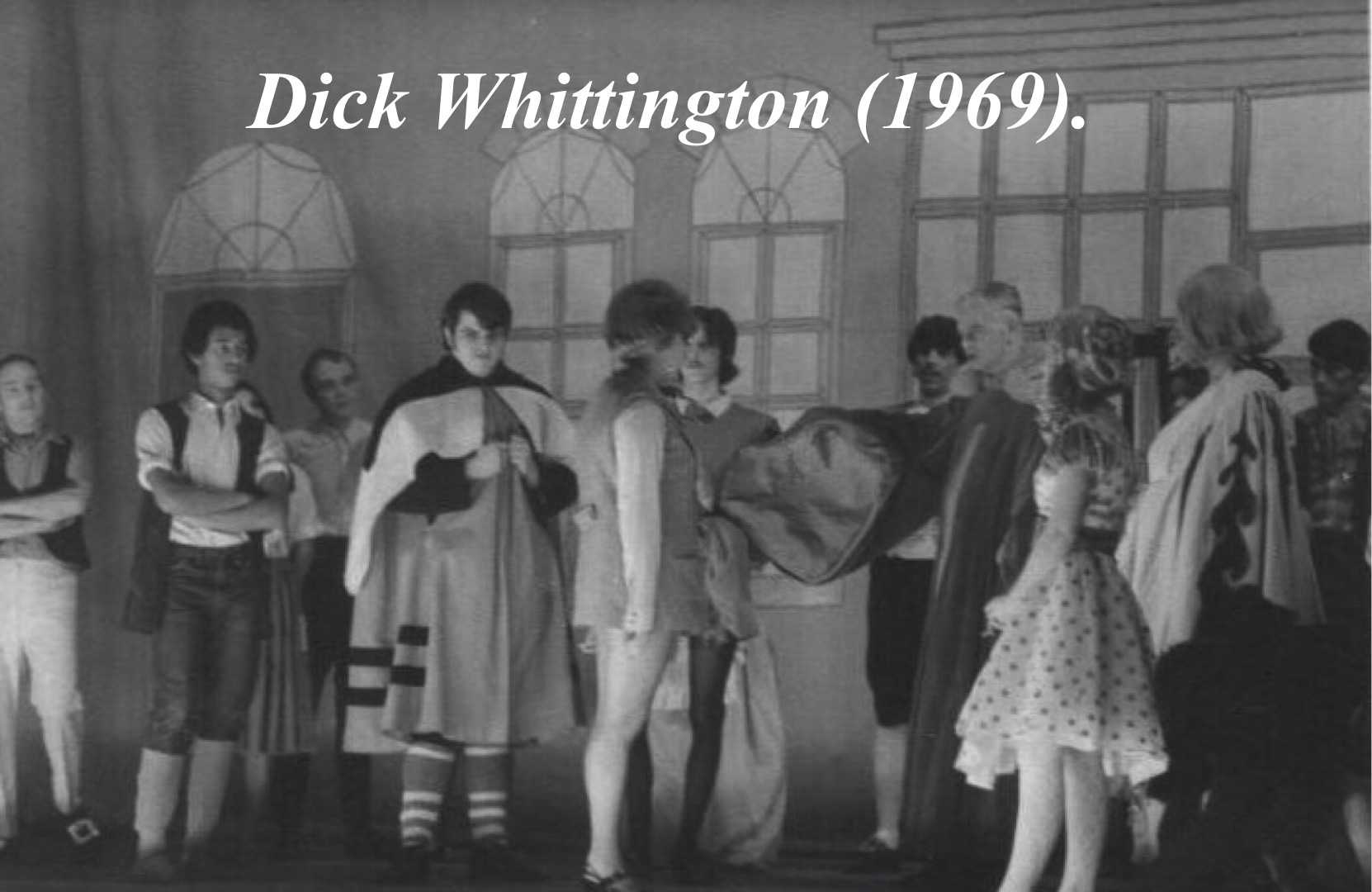
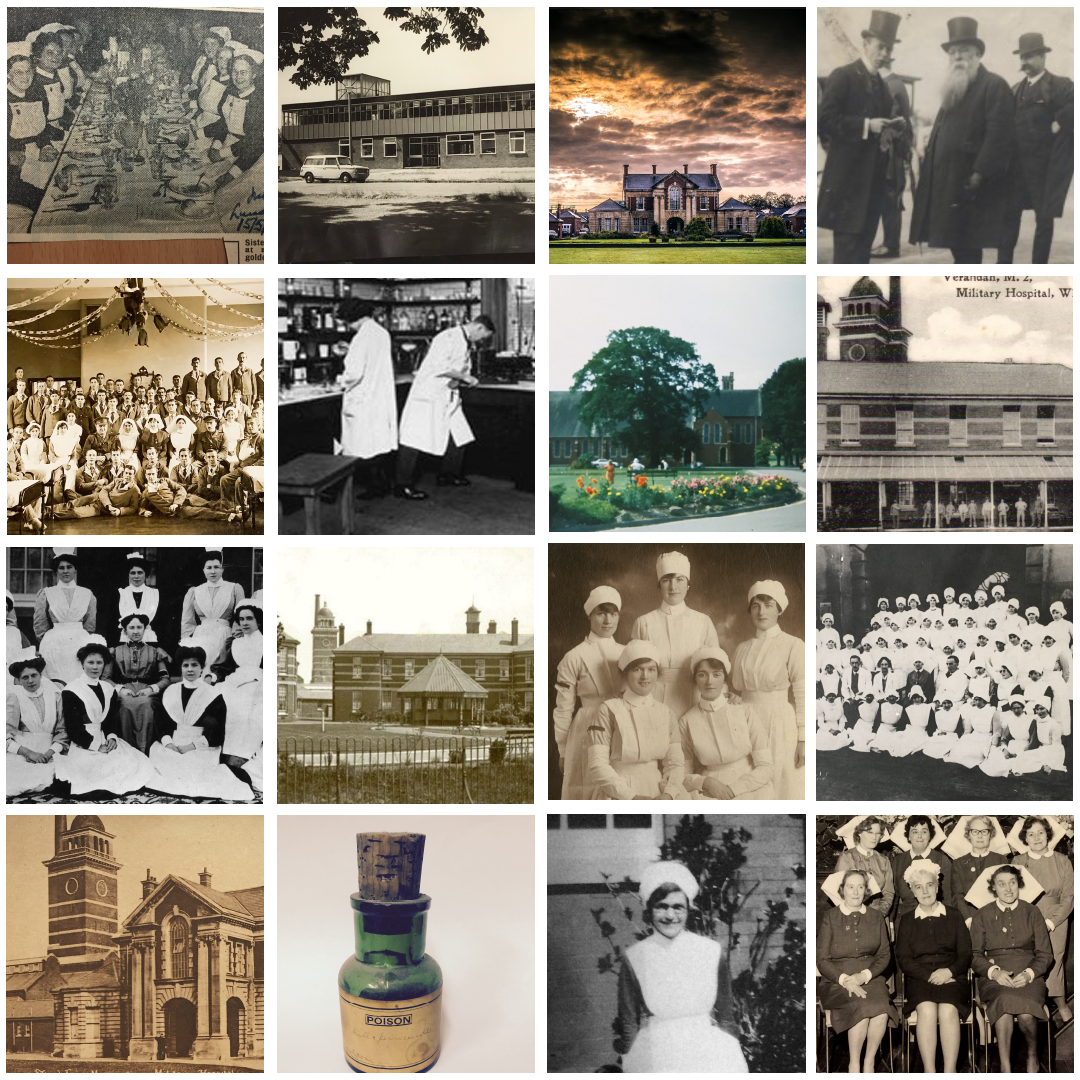
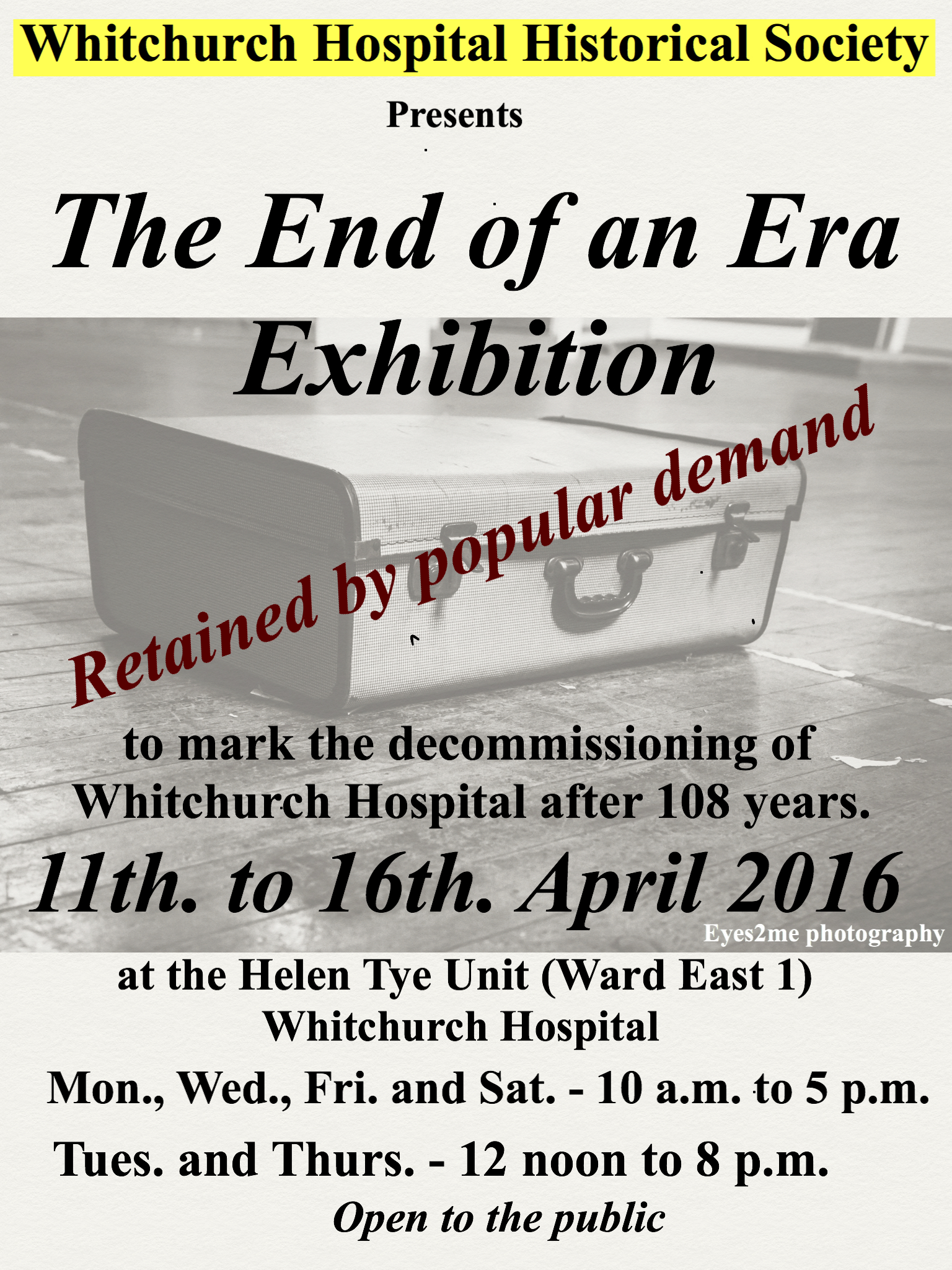
Many will recall the two?week, pre-closure exhibition in 2016. The many archived items knitted together the history of the hospital, including its use as a military facility during the two world wars. Photographs, uniforms, many typed and handwritten documents, together with a large variety of artefacts, sparked curiosity, humour, reminiscence and quiet moments of reflection, as many gathered to share their experiences and stories. For many, the exhibition marked a finality, but also rekindled a sense of belonging; for others, it offered a chance to acknowledge the complexity of the institution’s legacy—its compassion, its limitations, and the changing landscape of mental health care.
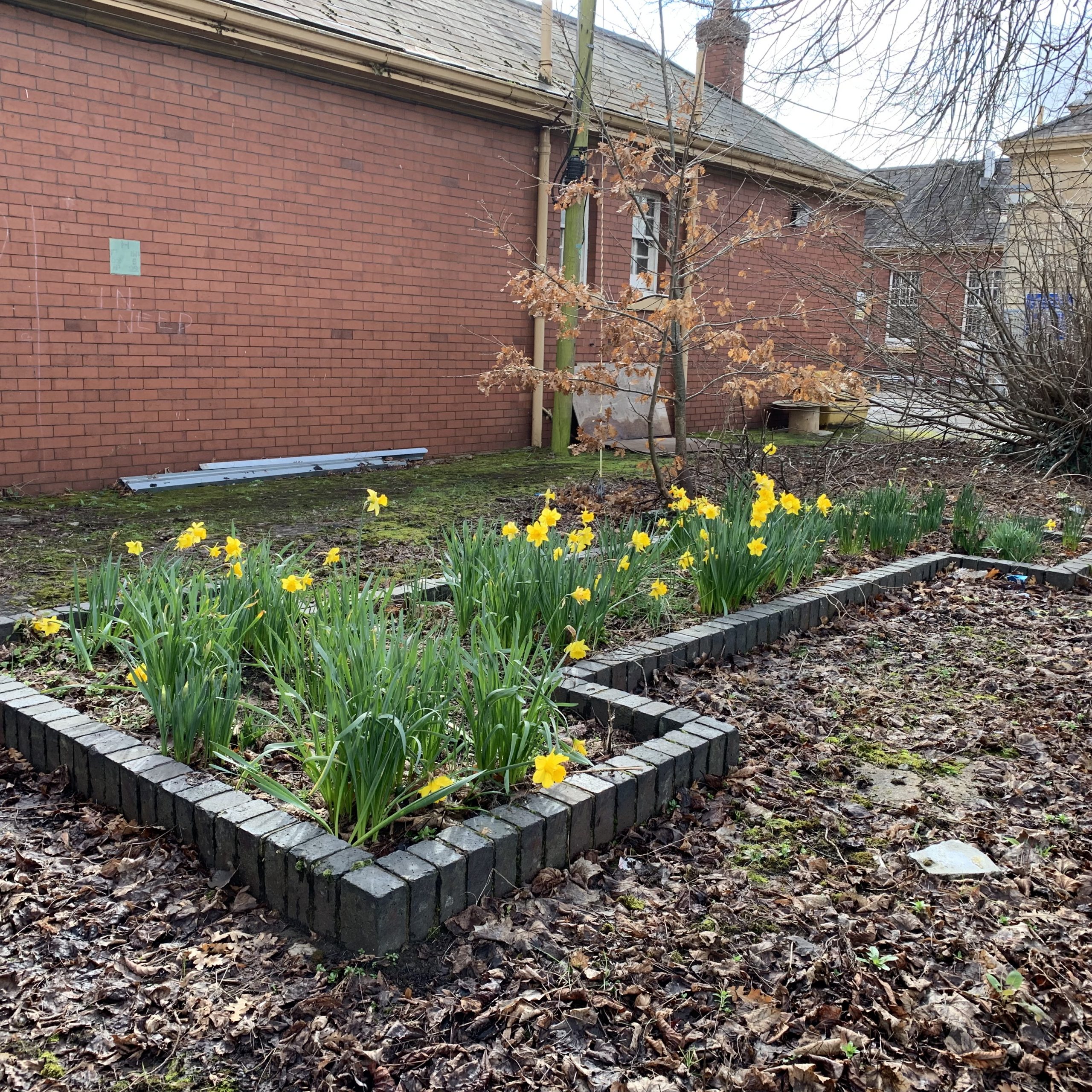
“Today, the building itself tells a different story. Abandoned to the inexorable process of decay, its interior and exterior fabric has been left to deteriorate. Paint peels, ceilings sag, ivy threads through broken windows, and nature steadily reclaims what was once so alive and vibrant. For many, the sight is heartbreaking—some feel grief as sharp as any bereavement, and anger prevails that such a place of refuge has been allowed to crumble. Yet, as already indicated there are also those who see the decline as a symbolic closing of a chapter that needed to end, a letting?go of a model of care that no longer reflects modern values. However, even in ruin, the hospital remains a repository for memories: the